

István Joó: Investor Interest Grows in Hungarian Business Services Sector
2025. 11. 13.
International investor interest in Hungary continues to grow in the business services center (BSC) sector, said Mr. István Joó, Government Commissioner and CEO of the HIPA Hungarian Investment Promotion Agency at the Business Services Hungary 2025 conference in Budapest.
Mr. István Joó highlighted that Hungary has built a dynamic, crisis-resilient, and increasingly complex ecosystem in the field of BSCs. While in 2019 there were 120 service centers in the country employing around 55,000 people, this year’s sectoral survey registered 245 centers with nearly 120,000 employees.
HIPA is currently negotiating 15 new projects, continuing its key role in the sector’s development. Since 2014, the agency has supported 116 BSC investments, contributing to the creation of over 22,000 new jobs.
A joint survey by HIPA, the American Chamber of Commerce in Hungary (AmCham Hungary), and the Hungarian chapter of the Association of Business Service Leaders (ABSL Hungary) also revealed the growing share of domestically owned BSCs, demonstrating that the success story of the sector is increasingly being written not only by foreign investors but also by Hungarian companies.
The HIPA CEO also emphasized that “Hungary has become an important meeting point in this sector as well, a place where Eastern and Western companies can operate in an equally supportive business environment”.
Looking ahead, Mr. István Joó stated that HIPA and the sector share a common goal: by 2030, Hungary should host 300 business service centers employing 150,000 people. He added that further geographical diversification is essential. Already, more than 20 percent of BSC jobs are located outside Budapest, and university cities such as Debrecen, Pécs, and Szeged are emerging as new hubs. This is a trend that should be further strengthened – the Government Commissioner for Investment Promotion and Implementation of Large FDI Projects added.
As technology evolves, the BSC sector must also ‘take it to the next level’, entering the world of AI-driven, generative business services
- Mr. István Joó underlined.
At the conference, Mr. Levente Magyar, Deputy Minister of Foreign Affairs and Trade, presented the Knight’s Cross of the Order of Merit of Hungary to Mr. Prabal Datta, Managing Director of TATA Consultancy Services Hungary, recognizing his outstanding contribution to the development of Hungary’s BSC sector.
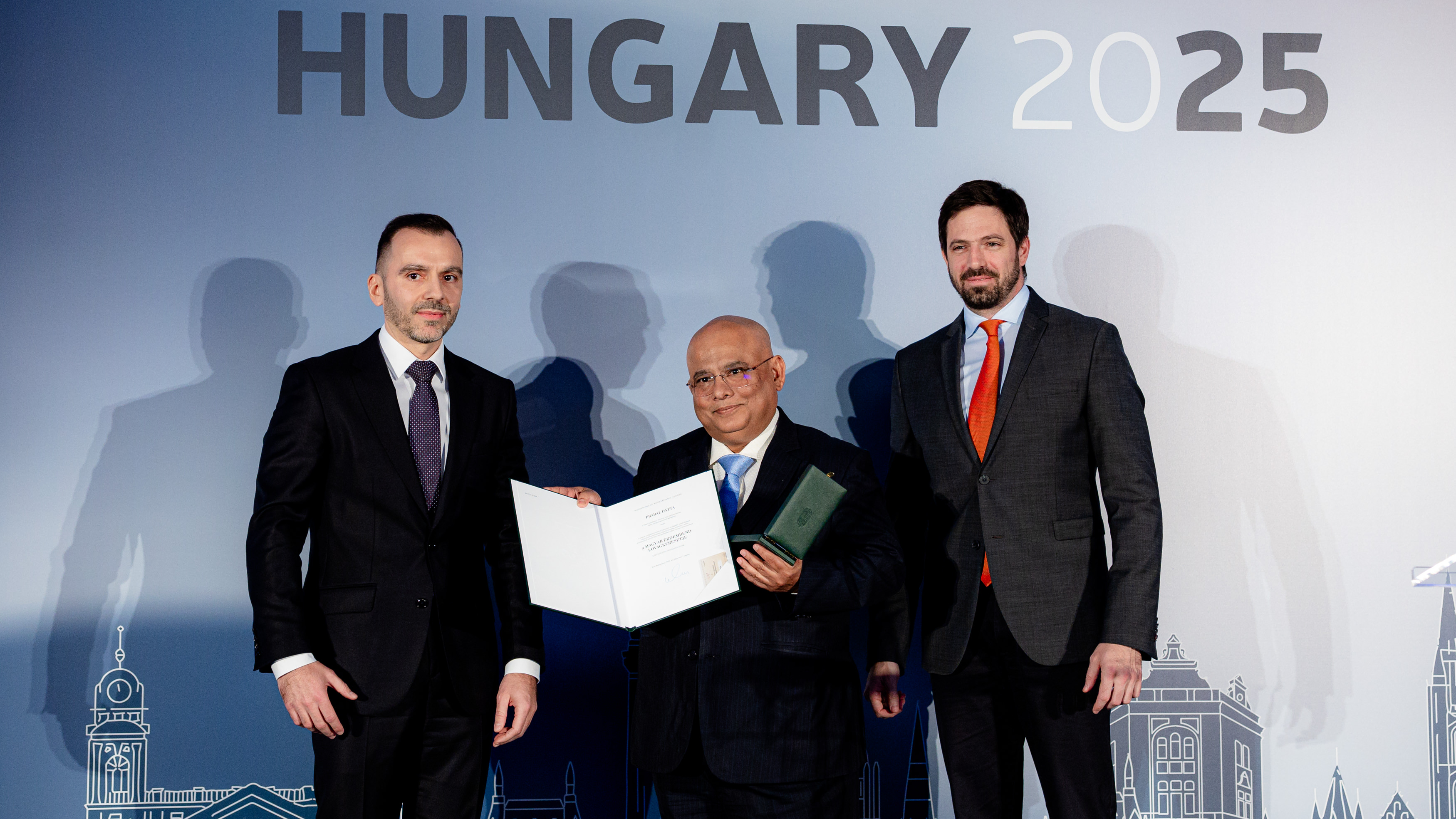
In his remarks, the Deputy Minister underlined that India is becoming an increasingly important player in the global economy, and Hungary maintains a strategic partnership with the South Asian country. He added that Indian companies operating in Hungary create significant value across the board.
Mr. Levente Magyar also expressed his gratitude to the BSC community and reaffirmed the government’s continued support for the sector.
More than one hundred participants, including numerous corporate leaders, attended the conference jointly organized by HIPA, ABSL Hungary, and AmCham Hungary. Through presentations and panel discussions, they reviewed recent developments and analyzed opportunities and challenges facing the BSC sector.
BSC sector as Strategic Growth Engine
Mr. István Lenk, President of ABSL Hungary, highlighted that the BSC sector has moved far beyond traditional support functions and now operates as centers of business excellence and digital service hubs. He emphasized Hungary’s strong position, supported by a multilingual and digitally skilled workforce, central location, an investor-friendly environment, and fast, coordinated responses from HIPA and partners.
Across Europe, the BSC sector is a strategic growth engine, and Hungary’s position is particularly strong
– the President of ABSL Hungary added.
Mr. Ákos Janza, President of AmCham Hungary, noted that a large share of the American business community active in AmCham Hungary belongs to the BSC sector. He underlined that education, training, and the strategic development of talent are essential for sustainable growth.
Mr. Márton Schőberl, Strategic Director at the Naional Security Office stressed that Hungary’s foremost interest is to take part in the ongoing technological revolution − whether in e-mobility, artificial intelligence, nuclear energy, or space research. He added that Hungary must not become a periphery of any bloc but stay at the center of a developing region. Therefore, it is vital to stay linked to the fastest-growing economies worldwide, currently in Asia.
Mr. Fadi Shadeh, manager at HIPA stressed the need to increase the sector’s visibility on the labour market. The fact that Budapest will host ABSL’s major international conference in 2026 will help to boost visibility and acceptance. The leading BSC expert at HIPA highlighted that there is still significant growth potential in Hungary’s Business Services Sector. More than 300,000 people currently work in roles that could easily transition into business service center functions. The key to unlocking this growth lies in strong cooperation and the development of a clear sector identity, one that can reshape the perceptions of policymakers, students, and potential career changers, which are still often influenced by the outdated SSC legacy.
A New Generation of BSCs is Coming
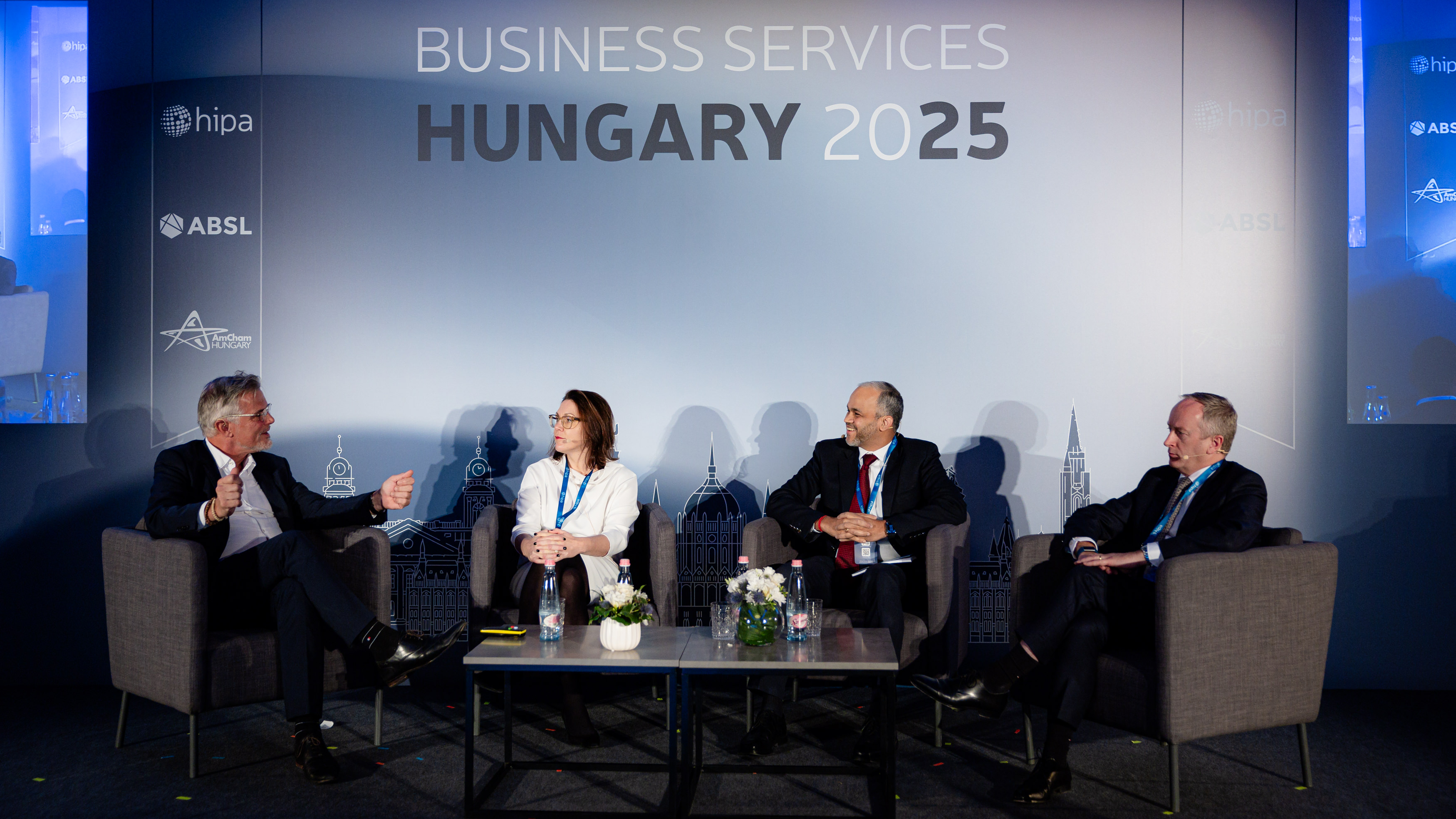
According to Mr. Elias van Herwaarden, head of the advisory firm Locationperspectives, around 10,000 service centers operate in 94 countries worldwide, employing approximately 12 million people. In a panel moderated by Mr. van Herwaarden, Mr. Sandeep Shanbhag, Global Head of Shared Services at JP Morgan highlighted that based on recent trends, Hungary could host as many as 300 business service centers by 2030. Mr. Declan Kane, Europe Operations Head at Citi explained that the Budapest Citi Solutions Center began in 2005 with eight employees and now employs more than 3,000. Their success stems from offering continuous advancement opportunities and clear internal career pathways.
The experts from Citi, JP Morgan and the third participant of the panel, Ms. Agnieszka Kaczmarczyk Global Search & Selecion and Professional Pracice Director at Gi Group Holding also agreed that crises and geopolitical shifts often create major opportunities for the BSC sector. The global financial crisis of 2008 and the COVID-19 pandemic in 2020 both strengthened service centers worldwide.
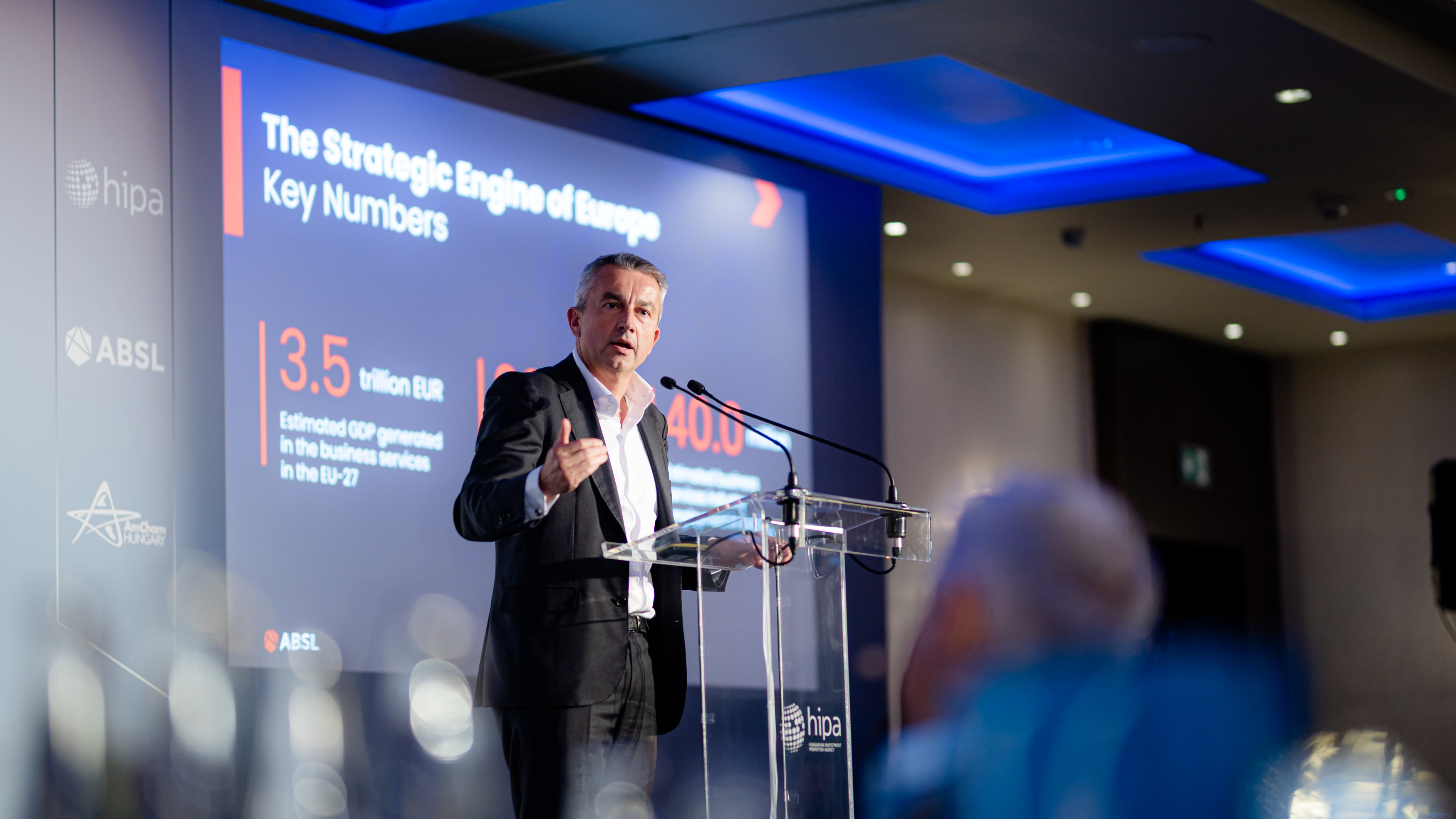
In his presentation, Mr. Jacek Levernes, President of ABSL highlighted that the definition of BSCs is undergoing a profound transformation. Under the new approach, from HR to data analytics all “white-collar” functions qualify as business services if they support a company’s success in its core business and market. Based on this broader definition, around 40 million people work in Europe’s business services sector, generating EUR 3.5 trillion annually, which makes up 20.4% of the EU’s GDP.
Business services organized as separate units or companies have become central to major structural changes in six key industries crucial for Europe’s competitiveness: banking, pharmaceuticals, automotive, energy, telecommunications, aerospace and defense. Their primary role today is not cost-cutting but supporting innovation, advancing digitalization, and rethinking business models.
The next stage of the sector’s evolution is GenBS; business service centers built around generative AI.
And the future success of the sector depends on the three Ts: talent, technology, and transformation
- Mr. Levernes said.
Similar points were made by Mr. Janusz Dziurzynski, Founding Leader of ABSL, who noted that Europe is well positioned in the coming global race for next-generation BSCs and could become the leading hub for specialized business services. The fact that Europe already accounts for 52.6% of global exports of knowledge-based business services is a good indicator for that - Mr. Dziurzynski said.
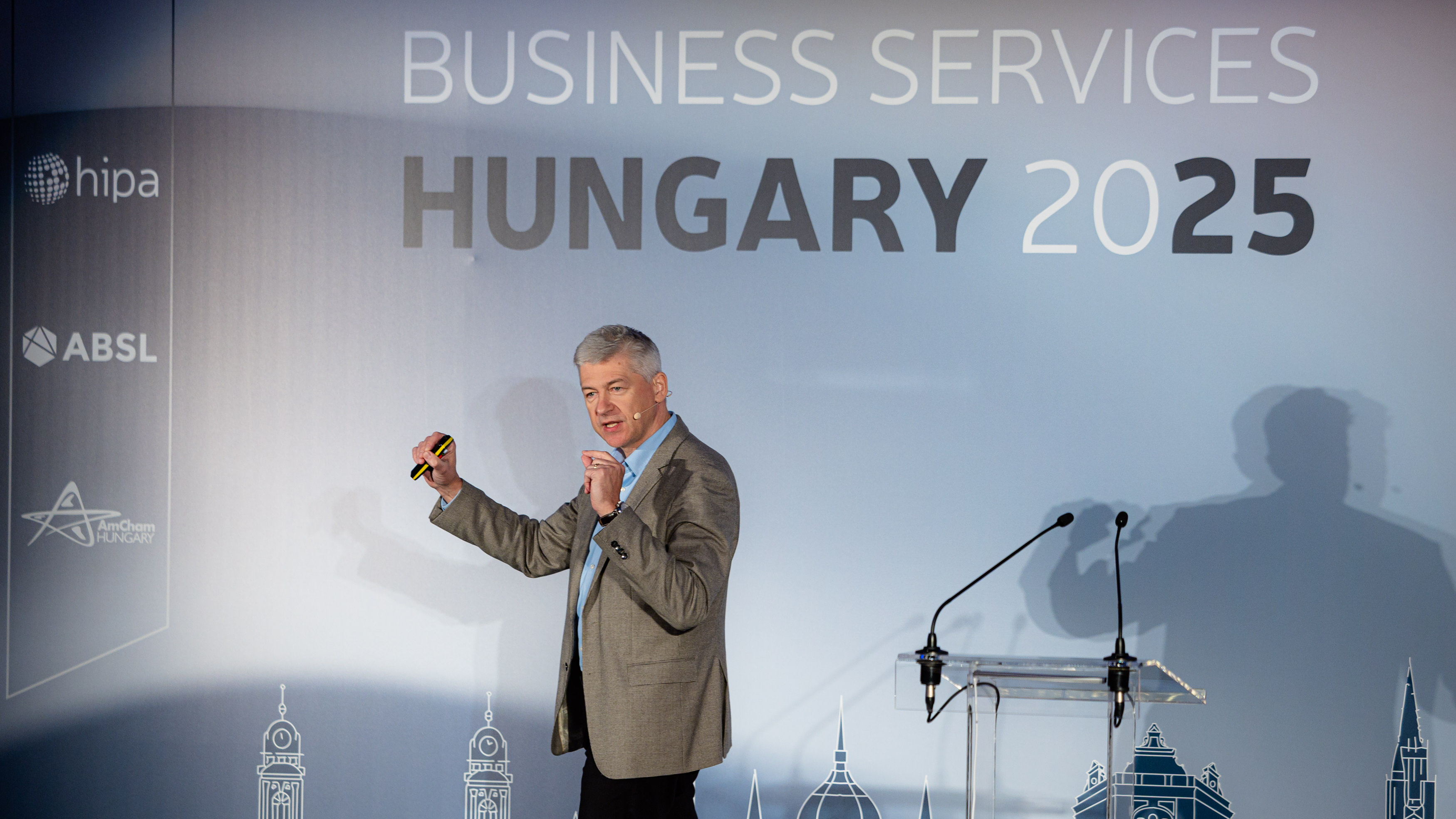
The afternoon program focused on current workforce challenges and AI-related developments. Mr. Gergely Gáspár, Business Development Manager at GiGroup discussed the gap between employer expectations and employee needs. Mr. Dávid Németh, founder and CEO of DetSystems, presented practical use cases for Agentic AI implementation. The session concluded with a discussion led by Mr. Leonárd Szabó (Tudatos Diák Iskolaszövetkezet) and Mr. Kamilló Fóra (BT) on Generation Z in the workplace, addressing myths versus realities.
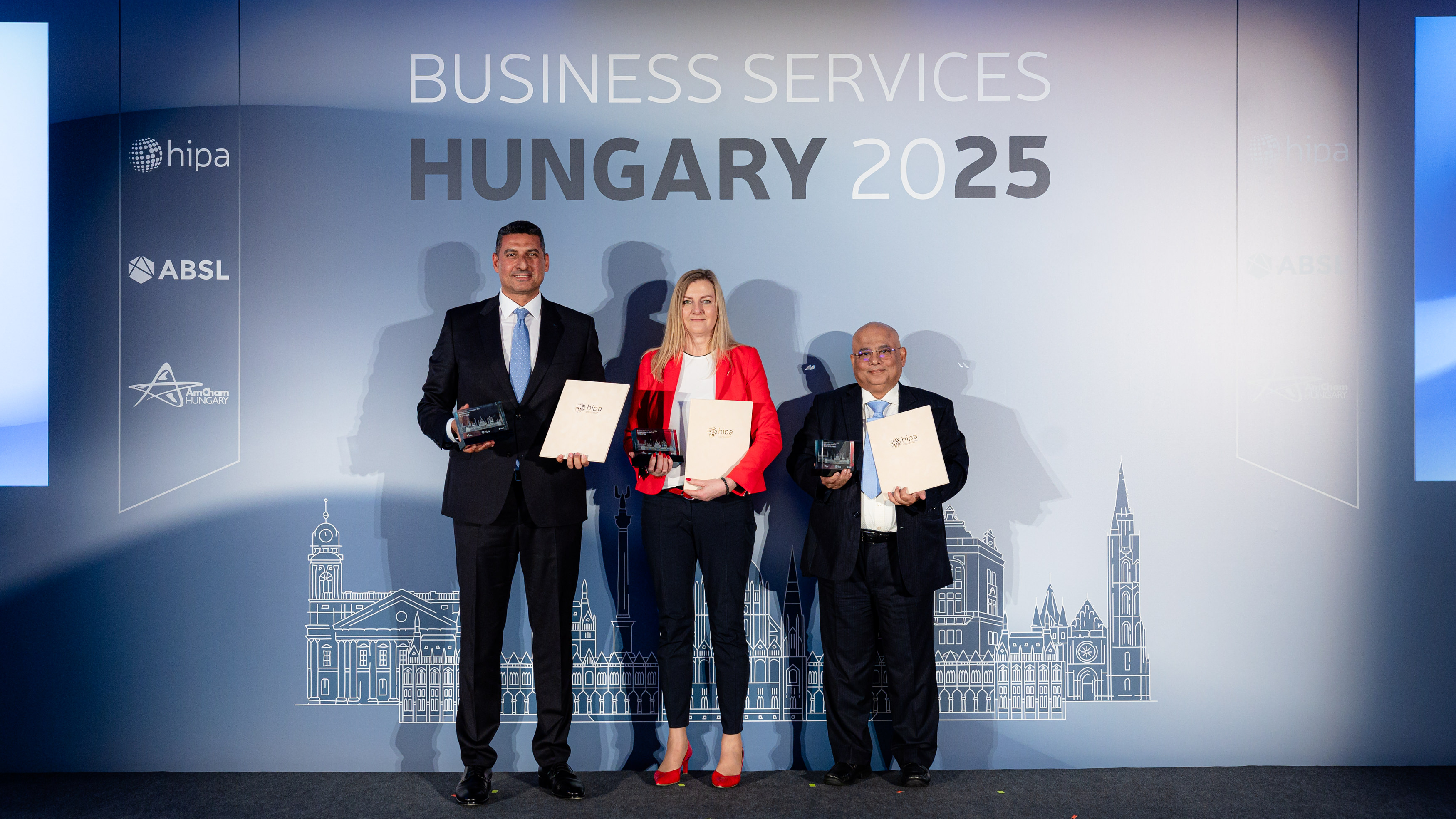
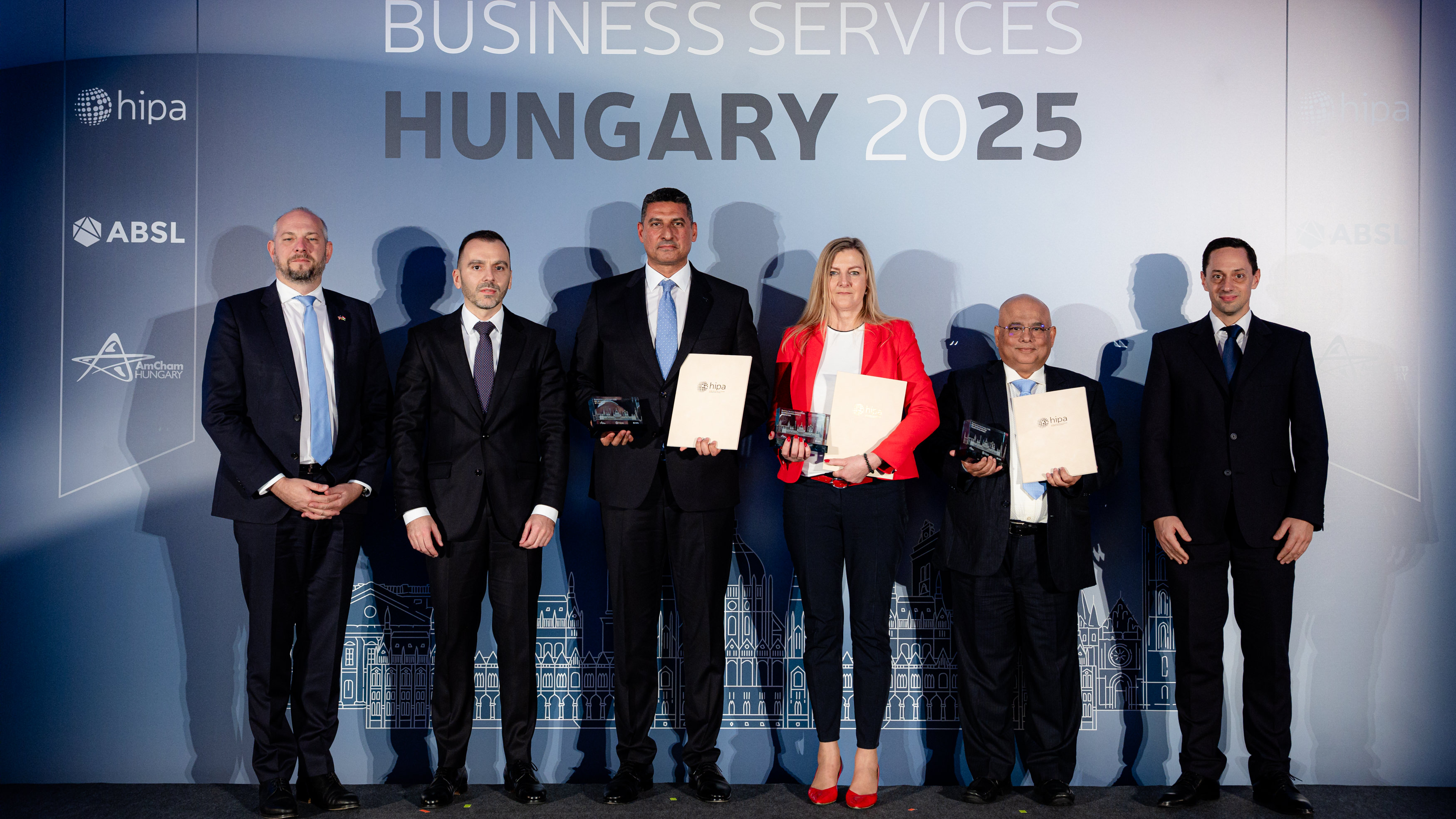
Following the traditions of the conference, the BSC community's most outstanding performers were honored with awards, based on the votes of participating professionals.
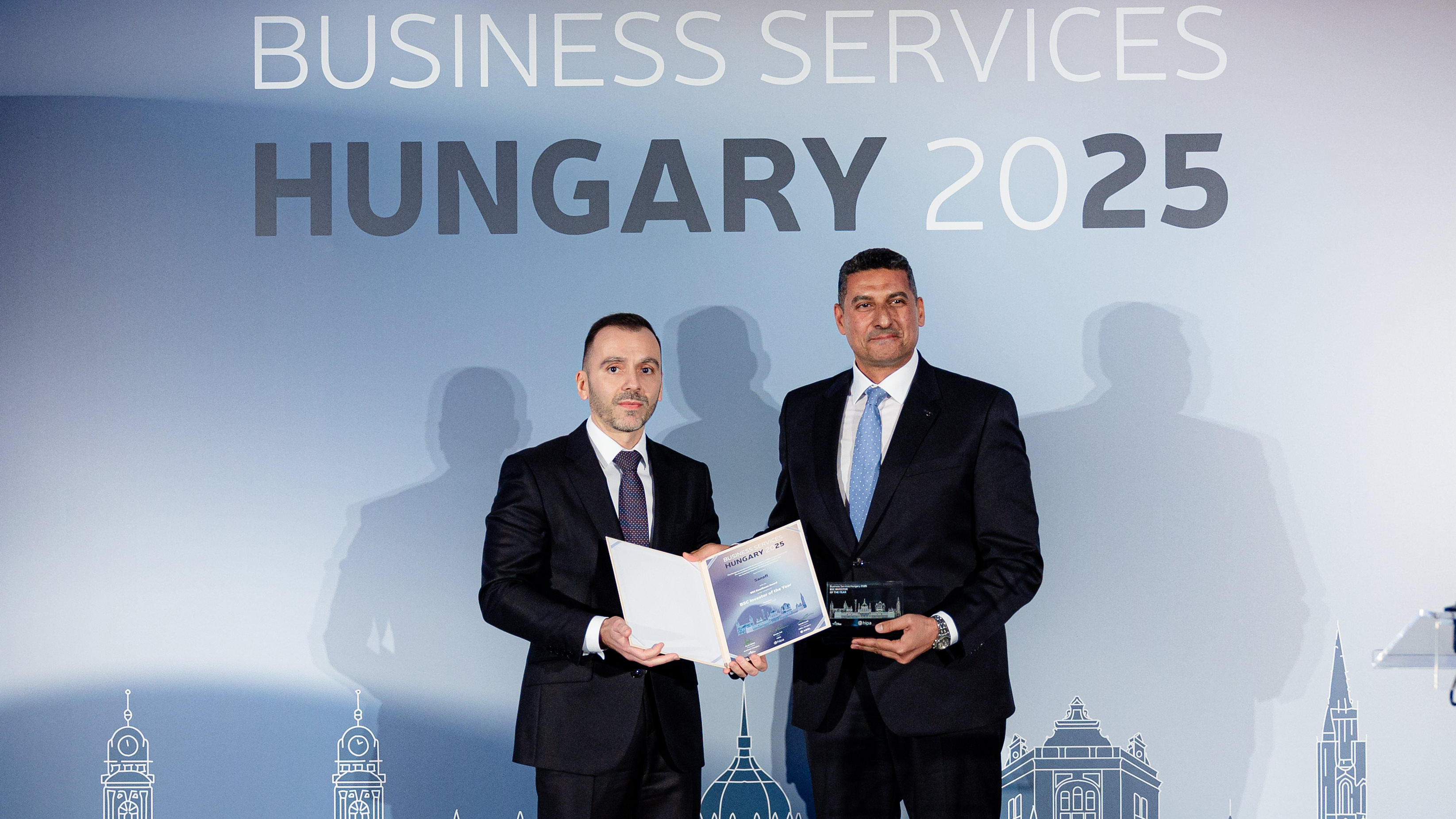
Investor of the Year: Sanofi
♦♦♦
Business Excellence & Innovation: Lexmark Budapest Competence Center
♦♦♦
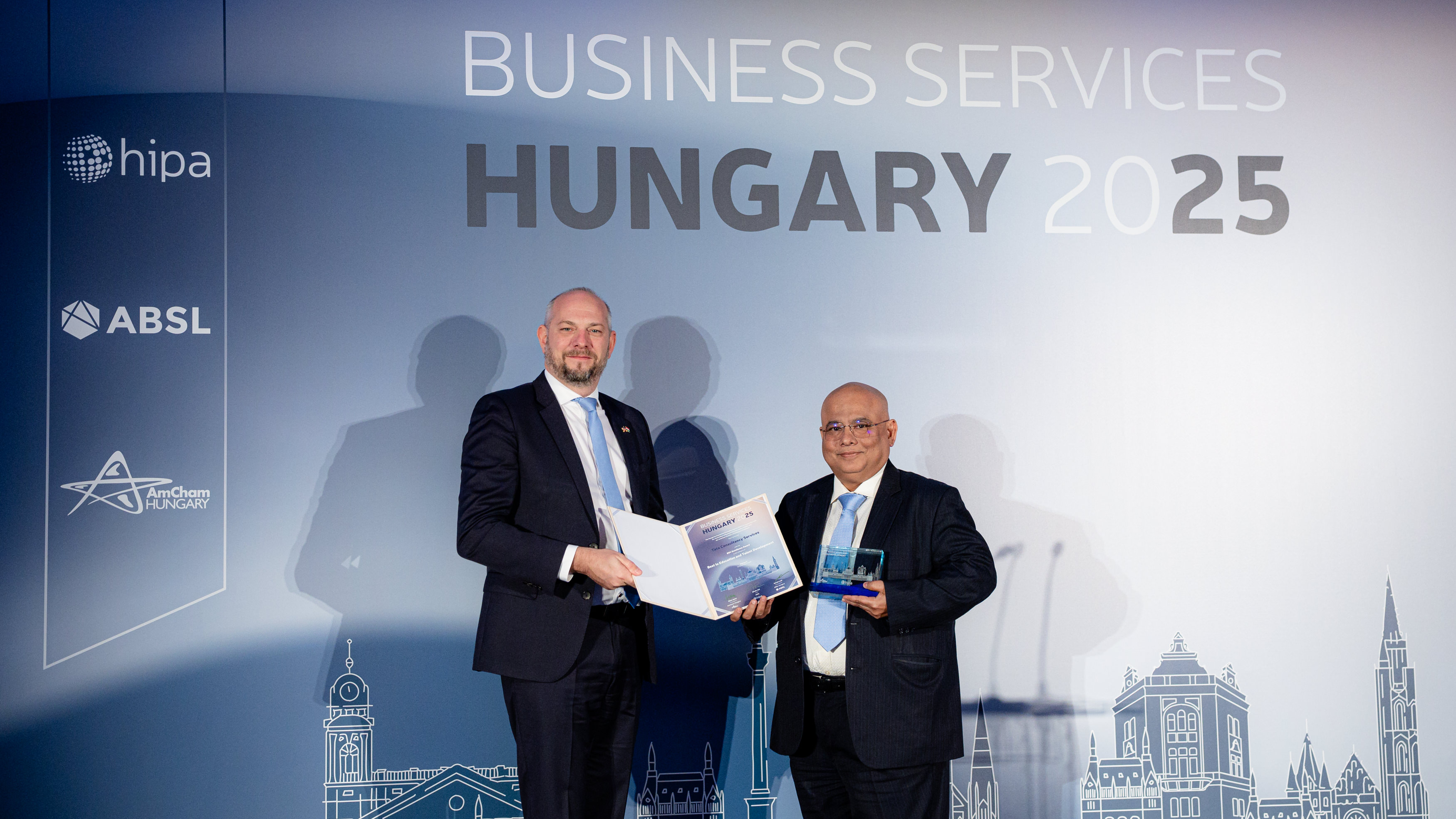
Education and Talent Development: TATA Consultancy Services Hungary
♦♦♦

Sector articles
German premium car maker BMW is expanding its presence in Hungary with a new business service center.
2026. 03. 27.
BSC #BSCLeadec Kft., a leading domestic expert in industrial services, has established one of the city’s first SSC centres in Győr through its new investment.
2026. 03. 10.
BSC #BSCAutomotive front-end module manufacturer HBPO is expanding its activities in Hungary beyond production by opening a business services center.
2026. 03. 05.
BSC #BSC